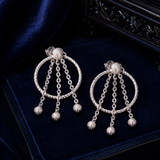
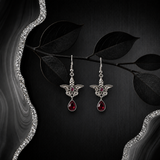
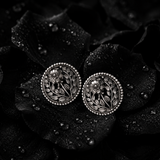
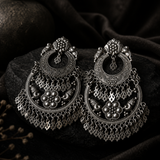


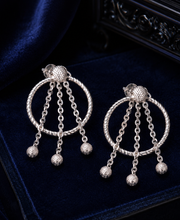
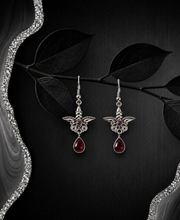
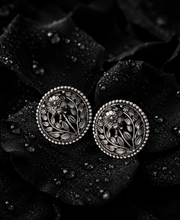
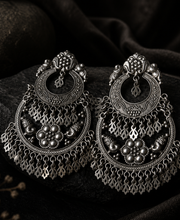
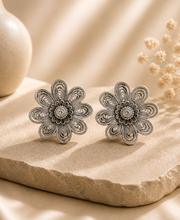
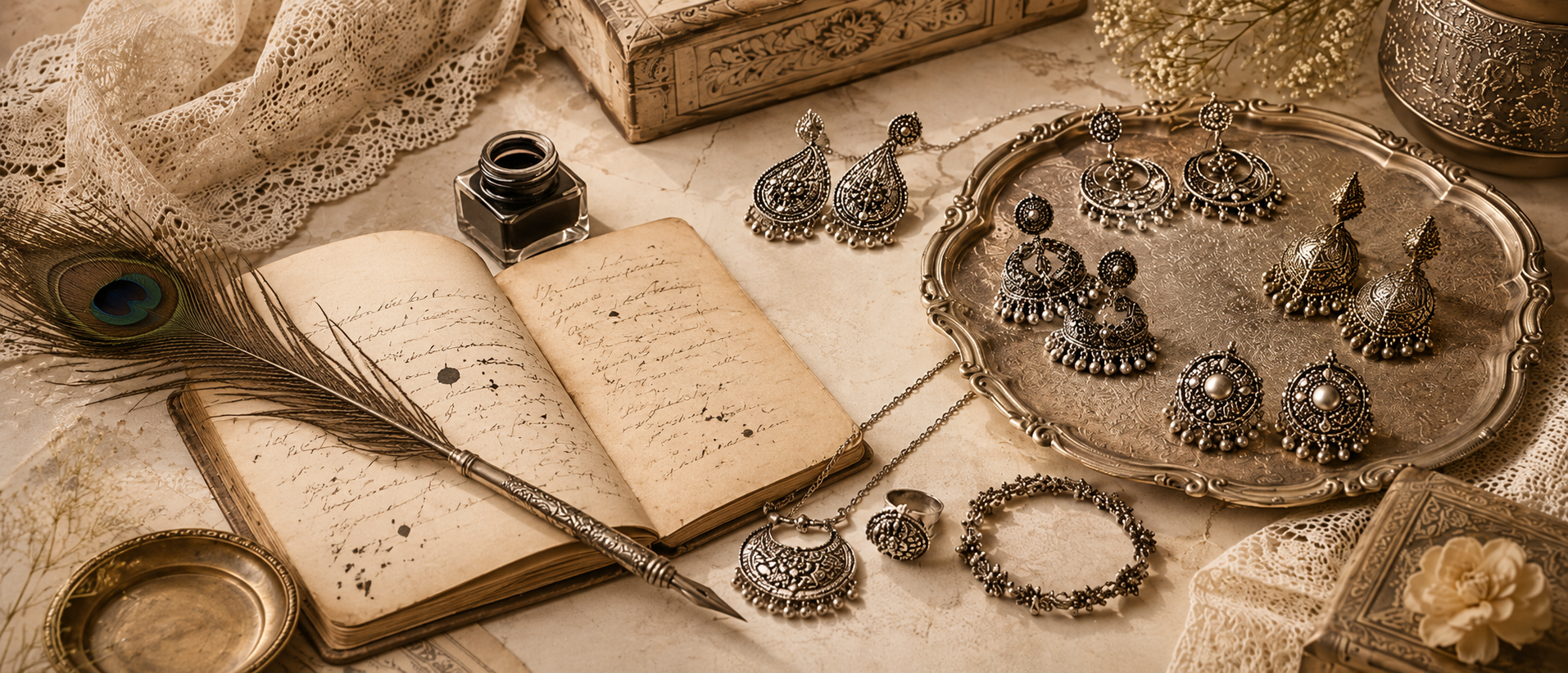

There is a particular drawer in almost every Indian home. You know the one. It opens with a small creak, and inside, wrapped in soft cloth or tucked into a velvet pouch, lie pieces that have outlived weddings, festivals, and the people who first wore them. A pair of jhumkas. A slim chain. A pendant gone soft and warm at the edges from decades of being touched. These were not bought to be replaced. They were bought to be kept.
Our grandmothers understood something that the fast-fashion era nearly made us forget: that real silver is not a trend but an inheritance. They chose 925 sterling silver not because it sparkled loudest in the shop, but because it lasted. It travelled with them. It could be cleaned, re-strung, passed down. In an age of disposable everything, that quiet conviction feels almost radical again.
At Silver Play, every piece is handcrafted in Jaipur from genuine 925 sterling silver, hallmarked and often set with natural gemstones. This is our small ode to the metal our grandmothers trusted, and a practical guide to help you choose, wear, and care for silver that will earn its own creaky drawer one day.
What 925 Sterling Silver Actually Means
Pure silver, in its raw form, is too soft for everyday life. Left on its own, it bends, scratches, and loses shape almost as quickly as you can wear it. So for centuries, silversmiths have done something clever: they blend silver with a small measure of another metal, usually copper, to give it strength without sacrificing its character.
That blend is what we call sterling silver. The number 925 tells you the recipe precisely: 92.5% pure silver, with the remaining 7.5% made up of copper or other metals that lend durability. It is the international standard for fine silver jewellery, the sweet spot where beauty meets resilience. When you see "925" stamped discreetly on a clasp or the back of a pendant, you are reading a promise about exactly what you are holding.
This matters because not everything that gleams silver is silver. A great deal of what fills high-street stalls is base metal dipped in a whisper-thin silver or rhodium coating. It looks the part for a season. Then the plating wears through, the metal beneath shows, and the piece is finished. Genuine 925 sterling silver is solid all the way through. There is nothing to wear off, because there is no costume hiding underneath.
The BIS Hallmark: A Quiet Stamp of Trust
In India, the surest way to know your silver is genuine is the hallmark. BIS hallmarked silver jewellery carries the mark of the Bureau of Indian Standards, the national body that certifies precious metal purity. For sterling silver, the hallmark confirms that the piece genuinely meets the 925 standard rather than simply claiming to.
Think of the hallmark as a handshake you can trust without ever meeting the maker. It is independent verification, applied after assaying, that protects you from the all-too-common practice of passing off under-grade or plated metal as the real thing. For anyone buying sterling silver jewellery in India, especially online, the presence of proper hallmarking separates a considered purchase from a gamble.
This is why hallmarking sits at the heart of how we work. When you choose a piece from our Everyday Elegance edit or invest in something grander, the assurance of purity is built in, not bolted on as an afterthought. You should never have to wonder what your jewellery is actually made of.
Sterling Silver vs Fashion Jewellery: The Honest Difference
It is worth being plain about this, because the gap is real and it shows up quickly. The choice between sterling silver vs fashion jewellery is not snobbery. It is the difference between something that ages with you and something that ages against you.
Fashion or "imitation" jewellery is typically made from brass, alloy, or other base metals, then plated to mimic silver or gold. It is inexpensive and often very pretty on day one. But the coating is a surface, and surfaces wear. Within weeks or months, the plating thins at the points of contact, the colour shifts, and many people find the metal beneath irritates the skin. The piece does not patina; it simply degrades.
- Material: Fashion jewellery is plated base metal; sterling silver is 92.5% pure silver throughout.
- Longevity: Plating wears off in months; sterling silver lasts decades and can be restored.
- Skin comfort: Base metals often contain nickel and irritate; quality sterling silver is gentle.
- Repair and care: Sterling silver can be polished, re-plated where needed, and re-strung; fashion jewellery is usually discarded.
- Value: One holds its worth and meaning; the other is designed to be replaced.
This is not to say imitation jewellery has no place. It absolutely does, for a costume or a single occasion. But if you want a piece you will reach for again and again, the maths quietly favours silver. You buy fewer things, and you love them longer.
The Beauty of Patina: Why Silver Improves With Age
Here is the part that catches people by surprise. Silver does not merely survive the years. At its best, it is made more beautiful by them.
Over time, sterling silver develops a patina, a soft, deepening tone that settles into the recesses of a design and lifts the polished surfaces in contrast. On an intricate piece, patina is what gives the detail its drama, the shadows that make the highlights sing. Antique dealers prize it. Oxidised and antique-finish jewellery deliberately encourages it, because that lived-in depth simply cannot be faked on day one.
A patina is not damage. It is a record. It is the evening you wore the piece dancing, the monsoon you got caught in, the years it spent close to your skin. Where plated fashion jewellery looks worse as it wears, real silver looks like it has finally arrived. And if you ever prefer the bright, mirror finish again, a gentle polish brings it straight back. The choice is always yours, which is a kind of freedom you rarely get from an object.
Skin-Friendly and Nickel-Free: Kind to Sensitive Skin
For a great many people, jewellery comes with a quiet anxiety: the redness, the itch, the small angry mark left behind by an earring after a long day. Nine times out of ten, the culprit is nickel, a cheap, reactive metal used liberally in base-metal fashion jewellery and a leading cause of contact allergy worldwide.
This is where quality silver earns deep loyalty. Well-made skin-friendly silver is formulated without the nickel that triggers most reactions, which is why so many people with sensitive skin find they can wear earrings comfortably. Our sterling silver uses copper as its strengthening alloy rather than nickel, so the metal stays gentle against even reactive skin. We describe this as skin-friendly rather than "hypoallergenic," a stronger claim we don't make.
If you have spent years cautiously avoiding earrings, our Earrings collection is a genuinely good place to begin again. Many customers tell us the same thing: that after a lifetime of irritation, sterling silver was the first metal their skin simply left alone.
How to Care for Your Sterling Silver
Silver asks very little of you, but a little attention keeps it luminous for a lifetime. Good sterling silver care is less about hard work and more about a few gentle habits.
Wear it often
It sounds counterintuitive, but silver loves to be worn. The natural oils of your skin help keep it bright, and a piece in regular rotation tarnishes far more slowly than one shut away in a humid box. Your favourite chain wants to be lived in, not saved for "best."
Keep it dry and last on, first off
Silver tarnishes when it meets moisture, sulphur, and certain chemicals. So make jewellery the last thing you put on and the first thing you take off. Let perfume, lotion, and hairspray settle before your silver goes on, and remove it before swimming, bathing, or a vigorous workout.
Store it kindly
When you are not wearing a piece, store it dry, away from humidity, ideally in a soft pouch or an anti-tarnish cloth. Keeping pieces separate stops chains tangling and softer stones scratching against harder ones. A small silica sachet tucked into the box works quiet wonders.
Clean it gently
For everyday brightness, a soft jewellery cloth and a few minutes of buffing is usually all you need. For a deeper clean, a drop of mild soap in warm water, a soft brush for the crevices, and a thorough dry with a lint-free cloth will lift most tarnish. Avoid harsh abrasives and, with gemstone pieces, avoid soaking, as some natural stones do not love prolonged water.
That really is the whole ritual. A few mindful minutes now and then, and your silver repays you for decades.
Where to Begin: Building a Silver Wardrobe That Lasts
If you are starting, or starting again, the kindest approach is to build slowly around the life you actually lead. Silver is wonderfully versatile, sliding from a desk to a dinner without changing its mind, so a handful of well-chosen pieces will carry you a remarkably long way.
For the everyday, the small companions you barely take off, our Everyday Elegance edit is the natural home: understated chains, fine studs, and quietly confident designs that suit absolutely everything.
For the working week, where you want presence without noise, the Office Muse collection offers clean, considered pieces that read as polished and never fussy, the sort of jewellery that finishes an outfit rather than competing with it.
When the occasion calls for more, our Spotlight Glam pieces are made to catch the light, while the Shahi collection draws on a richer, more regal heritage of Indian craftsmanship for weddings, festivals, and the moments you will photograph and remember.
And if you want a single piece that does the most work, begin with a pendant. A well-chosen pendant from our Pendants collection layers, travels, and dresses up or down with ease, which is exactly why it so often becomes the piece that ends up in the drawer, waiting to be handed on.
The Quiet Power, Carried Forward
Our grandmothers were right, and not by accident. They chose silver because it was honest: a real metal, marked for purity, kind to the skin, and built to outlast the season it was bought in. They chose it because it could be cleaned and kept and given away again, gathering stories as it went.
That is the quiet power of 925 sterling silver. It does not shout. It simply endures, growing a little more lovely with every year you give it. When you choose a hallmarked, handcrafted piece, you are not just buying jewellery. You are beginning something that someone, one day, will open a drawer to find.
Frequently Asked Questions
What does 925 mean on silver jewellery?
The number 925 refers to the silver's purity. It means the piece is made of 92.5% pure silver, with the remaining 7.5% usually copper, added to give the metal strength and durability. This blend is the international standard for sterling silver, the ideal balance between the beauty of pure silver and the resilience needed for everyday wear.
Does sterling silver tarnish?
Yes, sterling silver can tarnish over time, as the copper within it reacts with moisture and sulphur in the air. This is completely normal and not a flaw. Tarnish sits only on the surface and lifts away easily with a soft polishing cloth or a gentle clean, returning your piece to its full brightness. Wearing your silver regularly actually helps keep it lustrous.
Is sterling silver safe for sensitive skin?
For most people, yes. Sterling silver is alloyed with copper rather than nickel, which is the metal responsible for the majority of jewellery allergies, so our 925 silver is nickel-free and gentle even on reactive skin. We describe it as skin-friendly rather than "hypoallergenic," since that's a stronger, medical-sounding claim we don't make. If you have struggled with earrings in the past, sterling silver is often a more comfortable metal to wear.
Can I wear sterling silver every day?
Absolutely, and in fact silver prefers it. Daily wear and the natural oils of your skin help keep sterling silver bright and slow the tarnishing that affects pieces left shut away. Just take a little care to remove it before swimming, bathing, or workouts, and let perfumes and lotions settle first. With those small habits, your silver will happily be part of your everyday for years.
What is BIS hallmarking?
BIS hallmarking is certification by the Bureau of Indian Standards, India's official body for verifying precious metal purity. A BIS hallmark on silver confirms, through independent assaying, that the piece genuinely meets the stated 925 standard. It is your assurance that the silver is exactly what it claims to be, which is especially valuable when buying sterling silver jewellery in India.
How do I clean silver jewellery at home?
For regular upkeep, simply buff your piece with a soft jewellery or anti-tarnish cloth. For a deeper clean, use warm water with a drop of mild soap, a soft brush for any detailed areas, then rinse and dry thoroughly with a lint-free cloth. Avoid harsh abrasives, and take extra care with gemstone pieces by not soaking them, as some natural stones dislike prolonged water.