
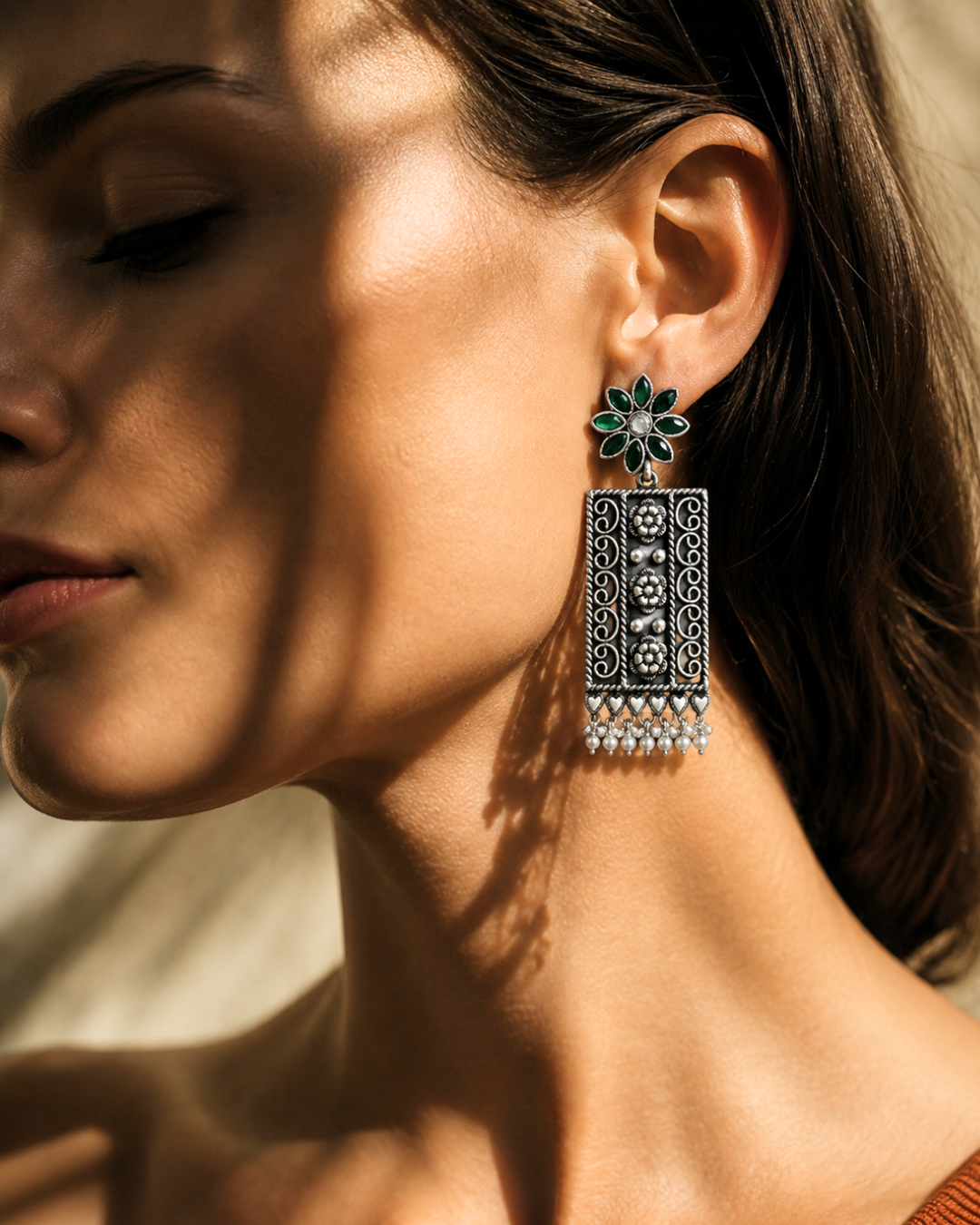
Silver jewellery has a timeless appeal, but not every piece labelled "silver" is actually pure. Many buyers unknowingly pay premium prices for silver-plated or alloy pieces that tarnish within weeks.
Silver jewellery has a timeless appeal, but not every piece labelled "silver" is actually pure. Many buyers unknowingly pay premium prices for silver-plated or alloy pieces that tarnish within weeks. Knowing how to identify real 925 silver jewellery protects your money and ensures you get a piece that lasts for years.
This guide walks you through the simple checks, certifications, and warning signs that separate genuine sterling silver from cheap imitations.
What Does 925 Silver Actually Mean?
The number "925" refers to the purity standard used in sterling silver. It means the piece contains 92.5% pure silver, while the remaining 7.5% is usually copper or another alloy added for strength.
Pure silver on its own is too soft to hold intricate designs, which is why jewellers blend it with a small amount of metal. As a result, 925 silver earrings and other sterling pieces stay durable without losing their natural shine.
If you see a "925" stamp on a piece, it confirms the metal meets this international purity benchmark.

Why Hallmarking Matters When Buying Silver
Hallmarking is the most reliable way to confirm authenticity. In India, the Bureau of Indian Standards (BIS) certifies genuine silver through an official hallmark, similar to how gold jewellery is certified.
Always look for hallmarked silver earrings that carry a BIS mark, purity grade, and a unique identification number. This mark tells you the jewellery has passed quality testing and matches the purity claimed by the seller.
Consequently, buying hallmarked pieces removes the guesswork. It shifts the burden of proof from your judgment to a certified testing body, which is far more reliable than a visual check alone.
Simple Ways to Test Real Silver at Home
Before making a purchase, you can run a few quick checks to identify a real silver earring. While none of these replace professional testing, they help you avoid obvious fakes.
1. The Magnet Test
Genuine sterling silver is not magnetic. If a piece sticks strongly to a magnet, it likely contains base metals like iron or steel. However, a weak magnetic reaction does not always confirm silver, since some alloys behave similarly.
2. The Tarnish Check
Real silver naturally tarnishes over time when exposed to air and moisture. This might sound like a flaw, but it is actually a good sign. Silver-plated or fake pieces often show flaking or discoloration instead of an even tarnish layer.
3. The Sound Test
Pure silver earrings produce a slightly ringing, high-pitched sound when tapped gently against another metal object. Base metals tend to sound duller and flatter in comparison.
4. The Ice Cube Trick
Silver conducts heat exceptionally well. Placing an ice cube on a genuine silver surface causes it to melt faster than it would on most other metals. This test works best on flat surfaces like pendants rather than intricate earrings.
Checking Hallmark Stamps Closely
Every authentic piece should carry a clear stamp reading "925" or "S925," often placed near the clasp or on the inner surface of earrings. Examine the stamp closely using a magnifying glass if needed.
Faded, uneven, or oddly placed stamps can indicate an attempt to imitate genuine markings. A trustworthy seller will never hesitate to show you this stamp before you buy.
For a closer look at how craftsmanship affects quality, it helps to understand where your jewellery comes from. Brands that document their process, such as this behind-the-scenes look at Jaipur artisans crafting sterling silver by hand, tend to maintain stricter purity standards.
Buy From Verified and Transparent Sellers
The easiest way to avoid confusion is to buy from brands that are transparent about their materials and certification. Reputable sellers list purity details clearly on every product page and provide proper invoices mentioning "925 sterling silver."

Before adding a piece to your cart, check the collection description and product specifications. For instance, browsing a dedicated sterling silver earrings collection makes it easier to compare hallmark details, pricing, and design authenticity side by side.
If you want a lightweight, everyday option, pieces like the Sterling Silver Feathered Sparrow Earrings are a good example of hallmarked, purity-certified designs. For festive or statement wear, the Sterling Silver Bicone Ghungroo Drop Earrings combine traditional craftsmanship with certified 925 purity.
Red Flags to Watch Out For
Certain warning signs should make you pause before purchasing:
- No hallmark or purity stamp mentioned anywhere on the listing.
- Prices that seem unusually low for the weight and design shown.
- Sellers who cannot explain the metal composition when asked directly.
- Jewellery that turns green or black within days of light wear.
If you notice any of these signs, it is best to ask more questions or choose a different seller altogether.
Caring for Your Silver Keeps It Looking Real
Even genuine silver needs proper care to maintain its shine. Storing pieces away from moisture and perfume, along with occasional polishing, prevents premature tarnishing. You can learn more through a detailed silver jewellery care guide that explains simple maintenance steps for daily wear.
Proper care also makes it easier to distinguish real silver from fakes over time, since genuine pieces age gracefully while plated items peel or discolor quickly.
Frequently Asked Questions
Q1: How can I tell if silver earrings are real without professional tools?
Check for a 925 hallmark stamp, test with a magnet, and observe how the surface tarnishes over time. These checks give a strong initial indication, though professional testing remains the most accurate method.
Q2: Does every piece of sterling silver have a hallmark?
Reputable brands stamp every piece, but smaller or unregulated sellers sometimes skip this step. Always ask for hallmark verification before purchasing.
Q3: Can pure silver earrings be worn every day?
Yes, sterling silver is durable enough for daily wear. Its alloy content makes it stronger than pure silver alone, so it can handle regular use without losing shape.
Q4: Why do some silver earrings turn black quickly?
This usually happens due to exposure to moisture, chemicals, or low-quality alloys. Genuine sterling silver tarnishes slowly and evenly rather than turning black within days.
Q5: Is hallmarked silver more expensive than non-hallmarked silver?
Hallmarked pieces may cost slightly more, but the certification guarantees purity and protects you from overpaying for a lower-grade metal.
Final Thoughts
Identifying real 925 silver jewellery does not require expert-level knowledge. A few simple checks, combined with buying from transparent and certified sellers, can save you from costly mistakes. Always look for the hallmark, ask questions, and choose brands that stand behind their purity claims.
Ready to shop with confidence? Contact Silver Play today to explore certified, hallmarked sterling silver jewellery crafted for everyday elegance and lasting shine.


